
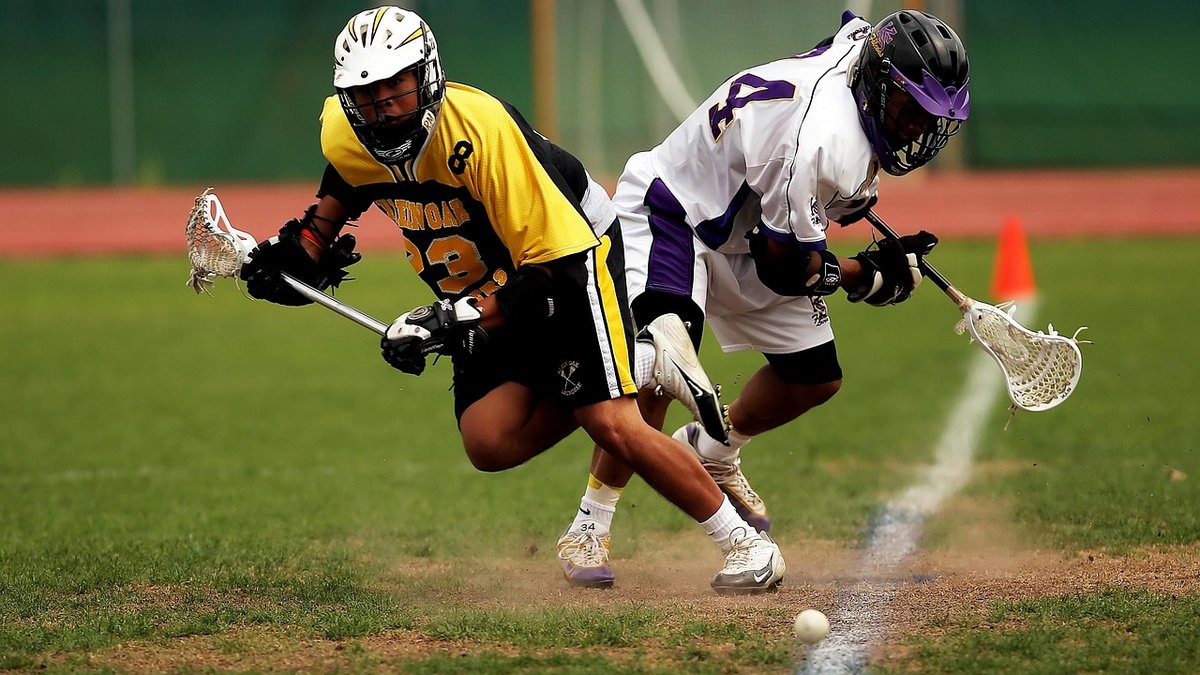
Before you spend a penny, work out which version of lacrosse your child is heading into. Across the South West, junior sections mostly play women’s field lacrosse in schools and clubs, while men’s field lacrosse and box lacrosse are growing quickly in cities such as Bristol, Exeter and Plymouth. The sticks are not interchangeable, and the rules on length and pocket depth differ.
As a rough guide, a women’s outfield stick measures between 90cm and 110cm, with goalkeeper sticks slightly longer. Men’s short sticks run 101cm to 107cm, while defensive poles are much longer and should only be considered once a player is committed to that role. If your club runs mixed taster sessions, ask the coach which code they coach before shopping. It saves a lot of returns.
A stick that is too long is the single most common mistake with beginners. It feels unwieldy, catching becomes a wrestling match, and confidence drops within a fortnight of training. Too short and the player will outgrow it by Christmas.
A practical method is to stand the stick upright beside your child. For women’s lacrosse, the top of the head should sit somewhere between their shoulder and the top of their head for a comfortable starter length. For boys in men’s lacrosse, the stick should reach roughly from the ground to just below the armpit. Junior players under 11 are usually better served by the shortest legal option — they can always move up as their passing improves.
Beginners drop passes because of the pocket, not the paintwork. A soft, well-strung mesh pocket gives the ball somewhere to settle, which makes catching and cradling far easier while the player learns. Stiff, shallow pockets and traditional stringing look lovely but punish newcomers, and traditional stringing needs more maintenance in damp West Country weather.
Check the depth by placing a ball in the pocket and holding the stick horizontally. It should sit comfortably without rolling straight out, and it should not disappear so deep that a quick release becomes impossible. Look at the sidewall strings: they should be tight and even, with no frayed or missing sections. If the head has a cracked throat or a wobble where it meets the shaft, walk away — that repair rarely holds.
You do not need to spend big. A perfectly good complete beginners’ stick for a junior player generally falls in the £35 to £70 range, and a decent adult starter stick sits between £50 and £90. Beyond that, you are paying for weight savings, elite stringing and brand prestige that a first-season player simply cannot use.
What to prioritise instead:
Put the money you save towards good footwear. Lacrosse is played on grass in all seasons, and a pair of boots with grip will do more for a beginner than a fancy head.
Club kit swaps and end-of-season sales are goldmines. Plenty of players upgrade after a growth spurt, so a lightly used stick can cost half the new price. Before handing over cash, check the shaft for dents or rust under the tape, twist the head to make sure it is not loose, and re-check the mesh for holes.
Budget around £15 to £25 for a replacement mesh and stringing if the pocket is tired — that is a worthwhile investment, not a deal-breaker. Avoid anything described as “collector’s item” or “vintage”, and be wary of very cheap unbranded sticks with brittle plastic heads that snap in cold weather. If you are buying online, ask for a photo of the head from above and one of the sidewall strings.
Once you have the stick home, spend ten minutes setting it up. Add a wrap of tape at the butt end so it does not slide out of small, cold hands. Check the overall length again with the player standing, and trim nothing unless a coach confirms it is legal for their age group.
Finally, teach the basics of care early. Store the stick out of direct sun and away from car boots in summer, because plastic heads warp. Wipe the mesh dry after wet sessions — a genuine consideration in a Cornish or Devon winter. And when the ball starts sticking in the pocket after a few months, a restring will feel like a brand-new stick at a fraction of the price. Get that first stick roughly right, and the rest is just practice, muddy pitches and a lot of fun.

Hi, my name is Anthony kuber. I am artist and fashion designer.
I love to travel and writing blogging.
Your email address will not be published. Required fields are marked *
Software Developer & Writer
Hey, I'm Diva, a developer and writer blending code and creativity. I'm driven by a deep curiosity and a relentless pursuit of excellence. Join me as I craft digital solutions and captivating stories.


