
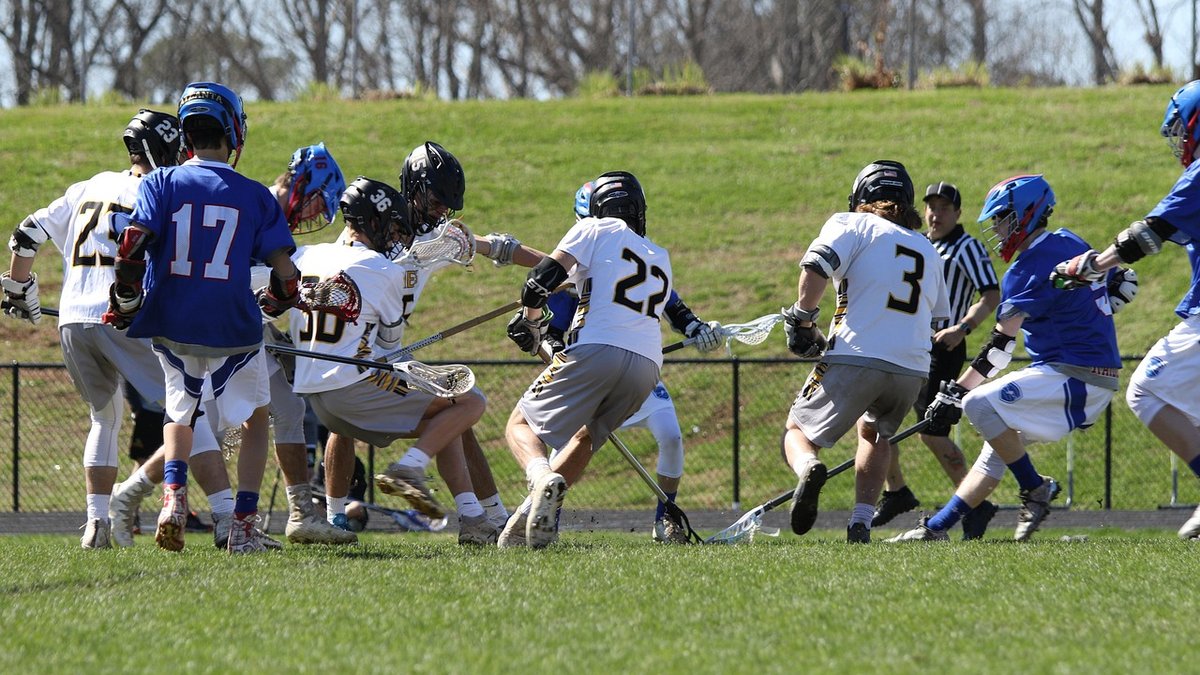
Every lacrosse team in the South West, from a university second team in Exeter to a mixed club side in Cornwall, has someone wearing the armband. It looks like a small detail on a squad list, but the role carries real weight. A captain is the bridge between coach and players, between the pitch and the officials, and between the best version of a team and the version that turns up on a wet Tuesday night when half the squad is stuck in traffic on the A38. Here is what that job actually involves, and how to do it well.
The single most important thing a captain does is set the standard through their own behaviour. Players watch you far more closely than they listen to you. If you arrive first and leave last, if you carry the kit bag without being asked, if you do your stick work drills properly when nobody is checking, that behaviour spreads. If you moan about the weather, turn up late, or skip the warm-up, that spreads faster.
Being early matters more than people admit. Get to the pitch fifteen minutes before the coach, help set up cones and goals, check the balls are pumped up, and make sure there is water. In grassroots lacrosse, where volunteers do everything, this practical reliability is the foundation of leadership. Nobody expects you to be the best player on the pitch. They expect you to be the most dependable.
It also means managing your own frustration. Lacrosse is a fast, physical game and tempers flare, especially in tight South West league fixtures where teams know each other well. A captain who throws a stick or argues with an opponent creates permission for everyone else to do the same. A captain who resets, takes a breath, and organises the next draw does the opposite.
In most grassroots matches, you are the only player who should be speaking to the umpires, and even then, sparingly. The practical rule is simple: one voice, respectful, and only when it matters. If you disagree with a call, ask a genuine question rather than making a speech. "Can you tell me what you saw there?" works far better than a protest.
Before the game, introduce yourself. Shake hands, give your name and position, and ask how they would like you to raise anything during play. Officials remember captains who make their afternoon easier, and that goodwill is real, especially when a decision goes against you later.
It also helps to know the rules properly, particularly around dangerous checks, offside, and the restart after a whistle. You cannot calmly manage a situation you do not understand.
The captaincy extends well beyond the white lines. A large part of the job is noticing things. Who has gone quiet? Who has missed two sessions in a row? Who is new and standing at the edge of the group while everyone else catches up?
New players are the lifeblood of clubs across Devon, Somerset, Dorset and Gloucestershire, and the first three weeks decide whether they stay. A captain who learns names quickly, pairs newcomers with a buddy for drills, and checks in after their first match does more for retention than any recruitment poster. The same applies to experienced players returning from injury, who often need encouragement to ease back rather than push too hard too soon.
Practical support counts too. Organising lifts to away fixtures in Bristol or Bath, sorting out who has spare kit, keeping the group chat useful rather than chaotic. Small acts of organisation keep a grassroots squad functioning when everyone is balancing work, study and family life.
Grassroots coaches are often volunteers with full-time jobs, and they cannot see everything. A good captain gives them honest, useful feedback: who is struggling with a particular drill, whether the team understood the game plan, how the mood is in the changing room. Do that privately, not in front of the group.
You are also the person who reinforces standards when the coach is not present. If a player turns up late repeatedly, or the intensity drops in training, the captain can address it quietly before it becomes the coach's problem. That conversation is easier if you have built trust by being fair and consistent rather than cliquey. Nobody follows a captain who only ever speaks to their friends.
Losing streaks, injuries, a heavy defeat in terrible weather, a disagreement between players. These are the tests of captaincy. Your job is not to fix everything but to keep the group steady and keep perspective.
You will not get every call right, and you do not need to. Captains in the South West are usually players first, organisers second, and figureheads a distant third. Do the small things consistently, treat officials and opponents with respect, look after the people around you, and the armband will mean something. That is the role, and it is one of the most rewarding jobs in grassroots sport.

Hi, my name is Anthony kuber. I am artist and fashion designer.
I love to travel and writing blogging.
Your email address will not be published. Required fields are marked *
Software Developer & Writer
Hey, I'm Diva, a developer and writer blending code and creativity. I'm driven by a deep curiosity and a relentless pursuit of excellence. Join me as I craft digital solutions and captivating stories.


